Visual Storytelling Layers: Integrating Entry Screens with Curated Photo Series in Gaming Portals
Written by Felix Schmitz · Sep 23, 2026
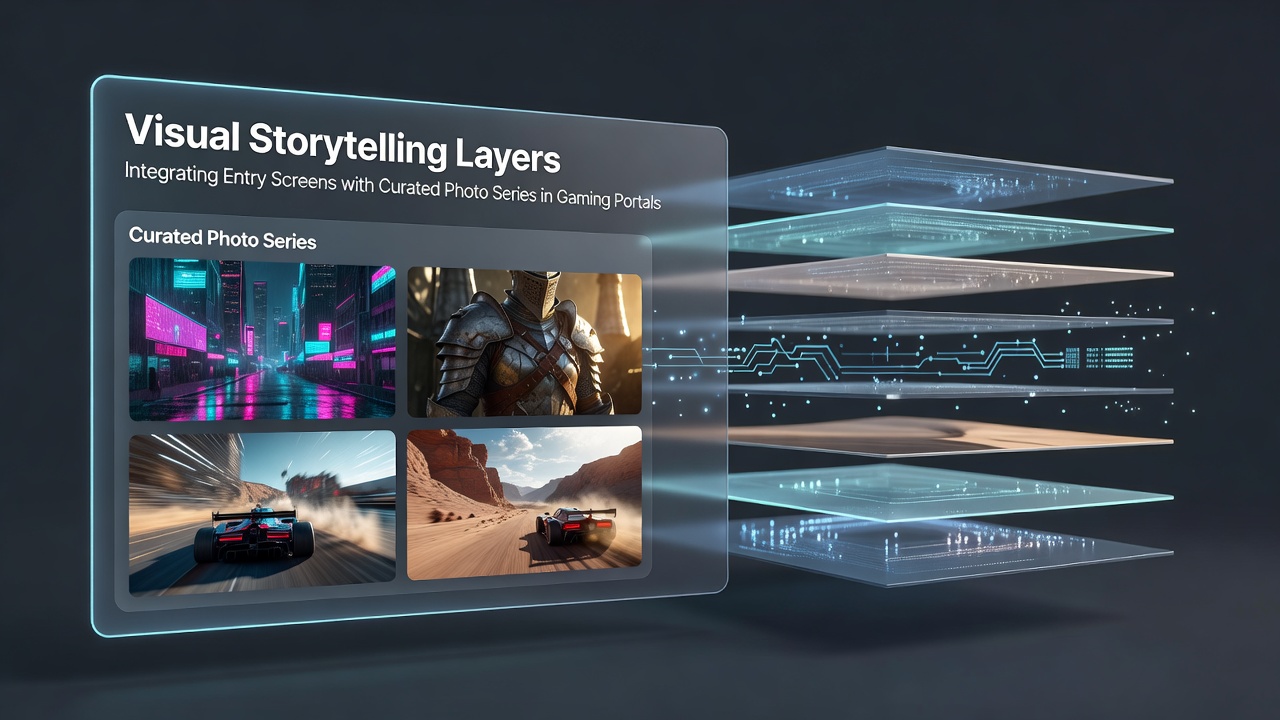
Visual Storytelling Layers: Integrating Entry Screens with Curated Photo Series in Gaming Portals
Entry screens in gaming portals function as initial contact points where operators arrange visual elements to direct user attention toward specific content areas, and these screens often incorporate sequential image displays that build narrative progression across multiple pages or sections. Data from industry reports indicate that portals using integrated photo sequences see higher engagement metrics compared to those relying on static layouts alone, with studies tracking click-through rates on thematic galleries showing measurable increases when images align with entry-level prompts.
Design teams organize these layers so that homepage anchors lead directly into curated photo series, creating pathways that reveal additional details about games, destinations, and player experiences. Observers note that such structures rely on progressive disclosure, where an opening visual set establishes context before deeper galleries expand on themes like regional casino environments or equipment variations. Research from academic sources on digital interfaces confirms that this method reduces cognitive load while maintaining user interest across longer sessions.
Structural Components of Entry Screens
Entry screens typically combine header navigation, featured image blocks, and introductory text that previews upcoming photo collections, and portal developers adjust these elements based on traffic analytics that highlight which sequences retain visitors longest. According to figures from the American Gaming Association, portals emphasizing visual continuity report session durations extending by 15 to 20 percent when photo series connect back to homepage triggers. This integration appears in multiple regional platforms, where color schemes and image pacing match across both layers to support consistent exploration patterns.
Teams frequently test variations in image order and caption placement to determine optimal flow, with results showing that curated sets arranged by theme outperform random groupings in retention statistics. Those who analyze user behavior data find that sequential reveals encourage clicks into secondary pages, turning initial entry points into gateways for broader content discovery.
Role of Curated Photo Series in Layered Narratives
Curated photo series extend the storytelling initiated on entry screens by grouping images around shared motifs such as interior layouts, equipment close-ups, or event highlights, and these collections use consistent editing styles to maintain visual cohesion. Industry organizations like the Canadian Gaming Association have documented how thematic progressions in photo galleries align with search trends, allowing portals to surface relevant material based on prior homepage interactions. Evidence suggests that when series follow a logical progression from broad overviews to specific details, users complete more navigation steps before exiting.

Portal managers update these series periodically to reflect new venues or seasonal promotions, which keeps the layered system current while preserving the core structure that connects back to entry visuals. In September 2026, several platforms introduced refreshed photo sets focused on emerging gaming destinations, and analytics from those updates showed immediate spikes in gallery views that traced back to unchanged homepage anchors. This pattern demonstrates how stable entry elements support dynamic content additions without disrupting established user pathways.
Implementation Patterns Across Platforms
Developers apply these layers through content management systems that allow image tagging and conditional display rules, enabling automatic routing from entry screen selections into matching photo progressions. Reports from European gaming research groups highlight that portals in regulated markets use such tagging to comply with content guidelines while still delivering engaging visual flows. People who review multiple sites observe that successful examples maintain balance between promotional images and informational ones, preventing overload while guiding exploration.
Case examples include portals that embed short captions within series to link back to entry-level topics, reinforcing the narrative thread across sections. Data indicates these connections improve return visit rates when users recognize familiar visual cues on subsequent arrivals.
Conclusion
Integration of entry screens with curated photo series creates structured visual storytelling in gaming portals by linking initial presentation layers to expanded thematic collections. Research continues to track how these systems influence navigation metrics across different regions, providing operators with ongoing data to refine arrangements. Platforms that maintain consistent visual logic while incorporating timely updates demonstrate sustained user engagement through these layered approaches.