Visual Sequencing in Digital Casino Resource Interfaces
Written by Uma Schmitz · Nov 18, 2026
Visual Sequencing in Digital Casino Resource Interfaces
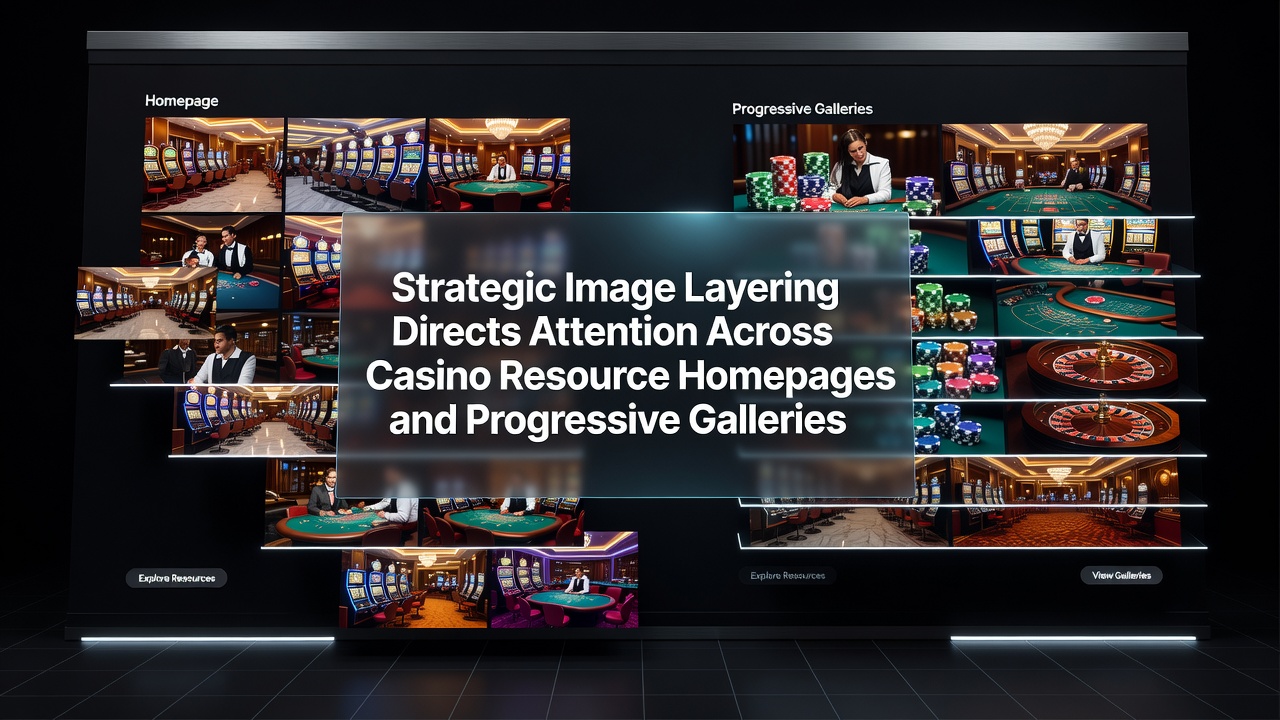
Designers structure casino resource homepages through stacked image layers that establish visual hierarchy from the first view, and these arrangements combine background elements with foreground highlights to channel attention toward navigation menus and featured sections. Progressive galleries extend the same principle by revealing images in controlled sequences that match user scrolling patterns, which helps maintain engagement across extended browsing sessions. Data from interface analyses shows that such methods reduce bounce rates when applied consistently across multiple entry points.
Core Components of Layered Homepage Designs
Homepage structures rely on overlapping image planes where each layer carries distinct opacity values and focal points, and this setup allows primary calls to action to emerge clearly while secondary details remain visible in supporting roles. Observers note that casino resource platforms often position high-contrast elements at the top layer to capture initial glances, whereas softer background textures provide context without competing for focus. Research indicates these techniques align with established eye-tracking patterns documented in web usability studies conducted across North American and European sites.
Sequential image series within galleries operate on similar layering principles yet unfold gradually as users advance through content blocks, and each new image builds upon the previous one to reinforce thematic connections between different gaming categories. Platforms integrate these progressions with thumbnail grids that expand into full views, creating pathways that encourage deeper exploration without abrupt jumps. Figures from industry reports reveal average session durations increase when galleries maintain consistent layering rules across desktop and mobile formats.
Attention Direction Through Progressive Elements
Progressive galleries direct attention by staggering image reveals according to scroll depth or click progression, and this timing prevents overload while sustaining interest in subsequent sections. Those who study digital navigation patterns report that users follow these visual cues more reliably than plain text links alone, particularly when color gradients and lighting shifts reinforce the intended order. One documented approach involves anchoring each gallery stage to specific resource categories such as game rules or venue overviews, which ties visual flow directly to informational goals.
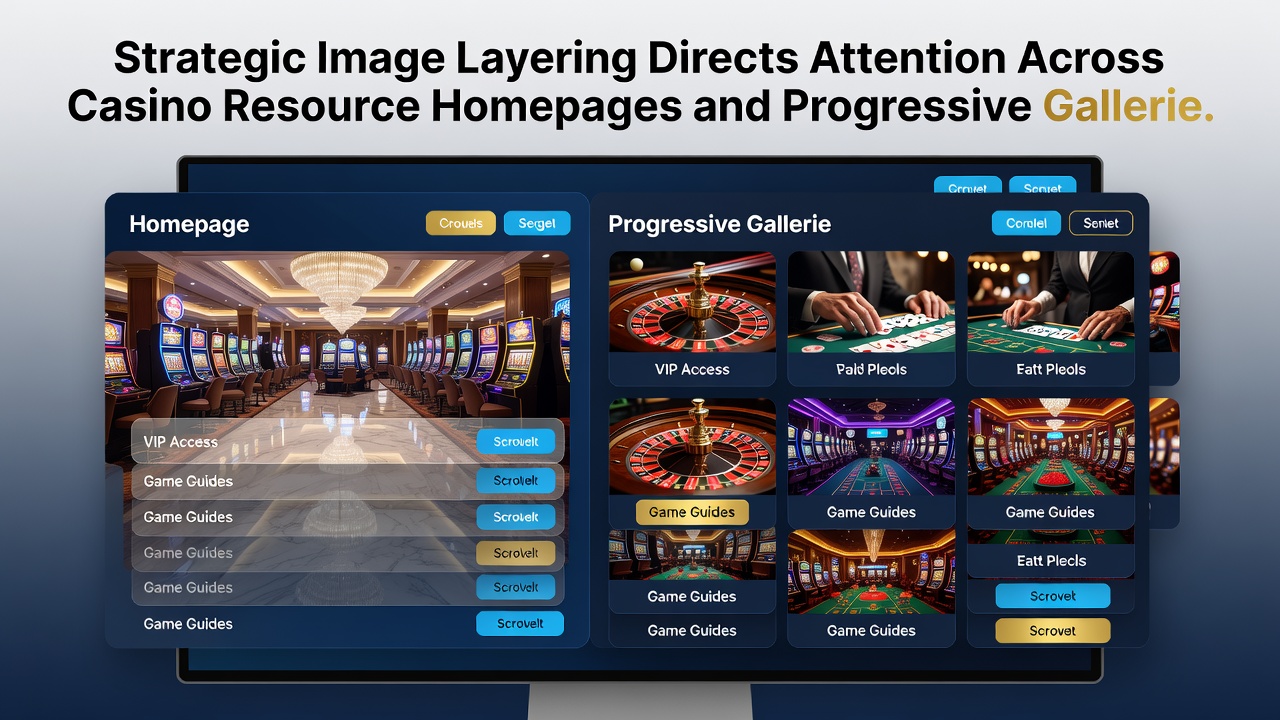
Integration between homepage layers and gallery progressions occurs through shared design tokens that carry visual weight across both areas, and this continuity helps users recognize they remain within the same resource environment. Analysts at organizations like the Canadian Gaming Association have examined how these unified systems affect information retrieval speed, noting measurable improvements when layering maintains consistent contrast ratios. Platforms that update these elements in response to seasonal content shifts demonstrate sustained user retention compared with static arrangements.
Implementation Patterns Across Resource Platforms
Multiple casino resource sites apply layered imagery to homepage hero sections first, then transition into gallery sequences that expand on highlighted themes, and this staged rollout matches common user entry behaviors observed in analytics reviews. External studies from the University of Nevada, Las Vegas gaming research division have tracked how such patterns influence click distribution across menu items, showing concentrated activity along the layered pathways. Developers adjust layer depths based on device screen sizes to preserve the intended attention sequence regardless of access method.
Additional techniques include subtle animation triggers that activate only after initial layers settle, and these refinements prevent distraction while still guiding progression toward deeper gallery content. Data collected by the Australian Institute of Gambling Research indicates platforms using measured layering report higher completion rates for tutorial-style visits, where users move from overview images to detailed gallery breakdowns. Consistency across updates remains essential, as abrupt changes to layer order can disrupt established navigation habits.
Conclusion
Strategic image layering combined with progressive gallery structures provides measurable direction for attention across casino resource homepages, and ongoing refinements continue to adapt these methods to evolving user behaviors and device capabilities. Platforms that coordinate these elements effectively deliver clearer pathways through complex content sets, supporting both quick lookups and extended exploration sessions.