Visual Progression Frameworks: Tracing Imagery Sequences from Main Portals to Niche Collections in Wagering Platforms
Written by Jonas Sullivan · Oct 21, 2026
Visual Progression Frameworks: Tracing Imagery Sequences from Main Portals to Niche Collections in Wagering Platforms
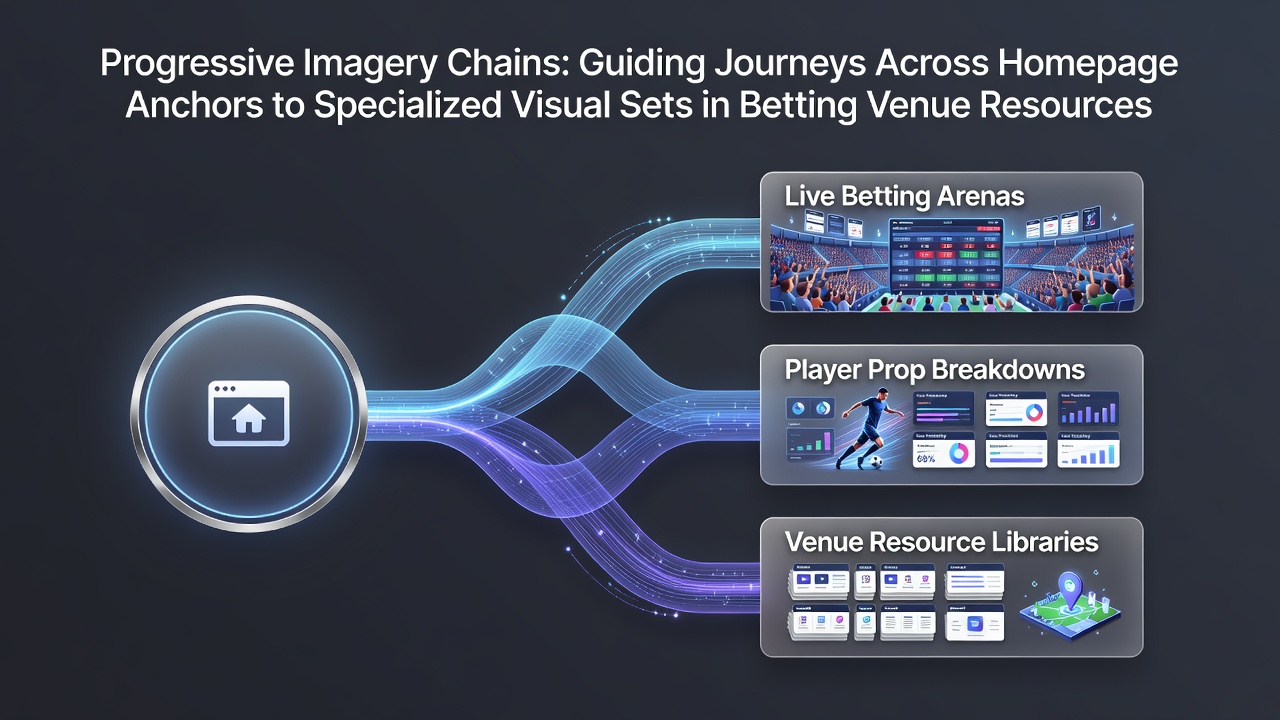
Homepage anchors serve as the initial contact points in many online betting venue resources, and progressive imagery chains extend from these anchors to guide users through layered visual sequences toward specialized thematic sets. Observers note that these chains often begin with broad promotional visuals on the landing page, then transition through curated image progressions that highlight game categories, venue features, and regional offerings. Data from industry analyses indicate that such structures appear in resources targeting both desktop and mobile users, with sequences adjusting based on device type and user interaction patterns.
Homepage Anchors Establish Initial Navigation Routes
Homepage anchors typically feature prominent images tied to current promotions or popular gaming options, and these elements connect directly to subsequent visual stages. Researchers have documented how anchors incorporate color schemes and layout patterns that align with later sections of the resource, creating continuity across the full imagery chain. Studies from academic institutions in North America show that consistent visual threading from anchors helps users identify pathways to more detailed content without abrupt shifts in presentation style.
Betting venue resources frequently update anchor images to reflect seasonal events or new game releases, and the connected chains adapt accordingly to maintain thematic flow. Figures from regulatory reports in Australia reveal that structured visual progressions correlate with extended session durations on certain platforms, though specific outcomes vary by jurisdiction and design implementation.
Progressive Chains Build Layered Discovery Paths
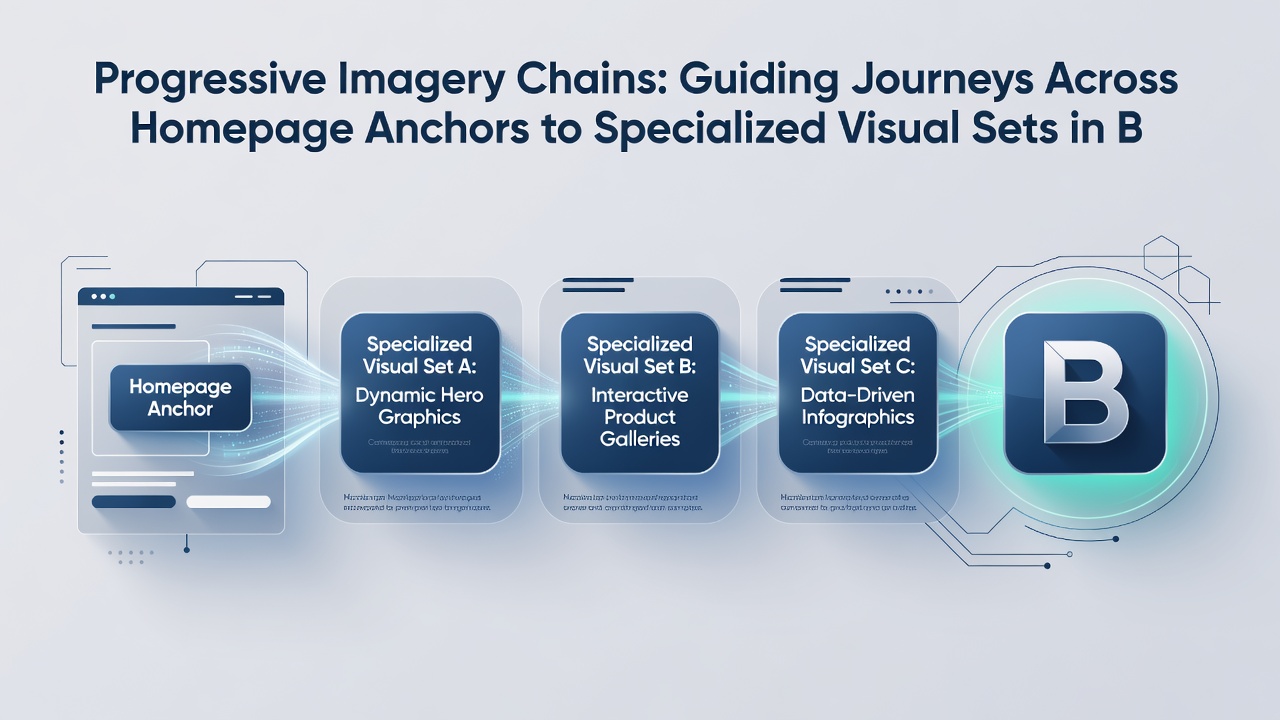
Once users engage with an anchor, progressive imagery chains unfold through intermediate visual sets that narrow focus from general overviews to category-specific collections. These middle stages often include image carousels or grid layouts depicting table games, slot machines, or live dealer environments, each set building on the visual language established earlier. Experts observe that chain progression relies on sequential loading techniques, where each new image batch references elements from the previous one through shared motifs or compositional styles.
Specialized visual sets appear further along the chain and concentrate on niche topics such as high-limit areas, regional casino architecture, or themed event spaces. One documented approach involves linking sports betting visuals to dedicated galleries that showcase event-specific imagery, while another routes users from anchor points toward poker tournament archives. Transition points between stages commonly use subtle visual cues like gradient overlays or icon integration to signal the shift without disrupting momentum.
Technical Structures Support Chain Continuity
Implementation of these chains often involves content management systems that tag images with metadata linking them across sections, and this tagging enables dynamic assembly of sequences based on user behavior. Reports from European research centers highlight how metadata standards allow resources to present alternate chains for different visitor segments, such as those focused on slots versus those exploring live casino options. Navigation elements embedded within images, including clickable hotspots and directional indicators, further reinforce the progression from broad anchors to targeted sets.
Performance metrics tracked by platform operators show that well-maintained chains reduce bounce rates at early navigation stages, and the effect strengthens when image loading speeds remain consistent throughout the sequence. Adjustments to chain length and image density occur regularly to match evolving user preferences documented in analytics logs.
Regional Variations Appear in Chain Design
Resources serving North American audiences frequently emphasize imagery chains that progress from anchor visuals of major resort properties toward detailed sets covering specific gaming floors and entertainment venues. In contrast, platforms oriented toward Asian markets often incorporate chains that move from homepage anchors featuring festival themes into specialized collections highlighting regional game variants and cultural elements. Regulatory documentation from Canadian provincial authorities notes that visual sequencing must comply with advertising standards, which influences how chains transition between promotional and informational content stages.
Updates scheduled for October 2026 in certain jurisdictions may require additional labeling within imagery chains to distinguish promotional content from resource navigation tools, and operators have begun preparing metadata adjustments to meet these forthcoming requirements.
Conclusion
Progressive imagery chains function as structured pathways that connect homepage anchors to specialized visual sets across betting venue resources, with technical and design elements supporting continuity from initial entry points through layered discovery stages. Documentation from multiple regions confirms that these frameworks adapt to device formats, regulatory contexts, and content categories while maintaining visual coherence. Ongoing refinements to metadata practices and transition mechanisms continue to shape how users move through these sequences in practice.