Sequential Imagery as a Guide: Homepage Layouts Directing Patrons Through Online Casino Information Hubs
Written by Jonas Sullivan · Sep 9, 2026
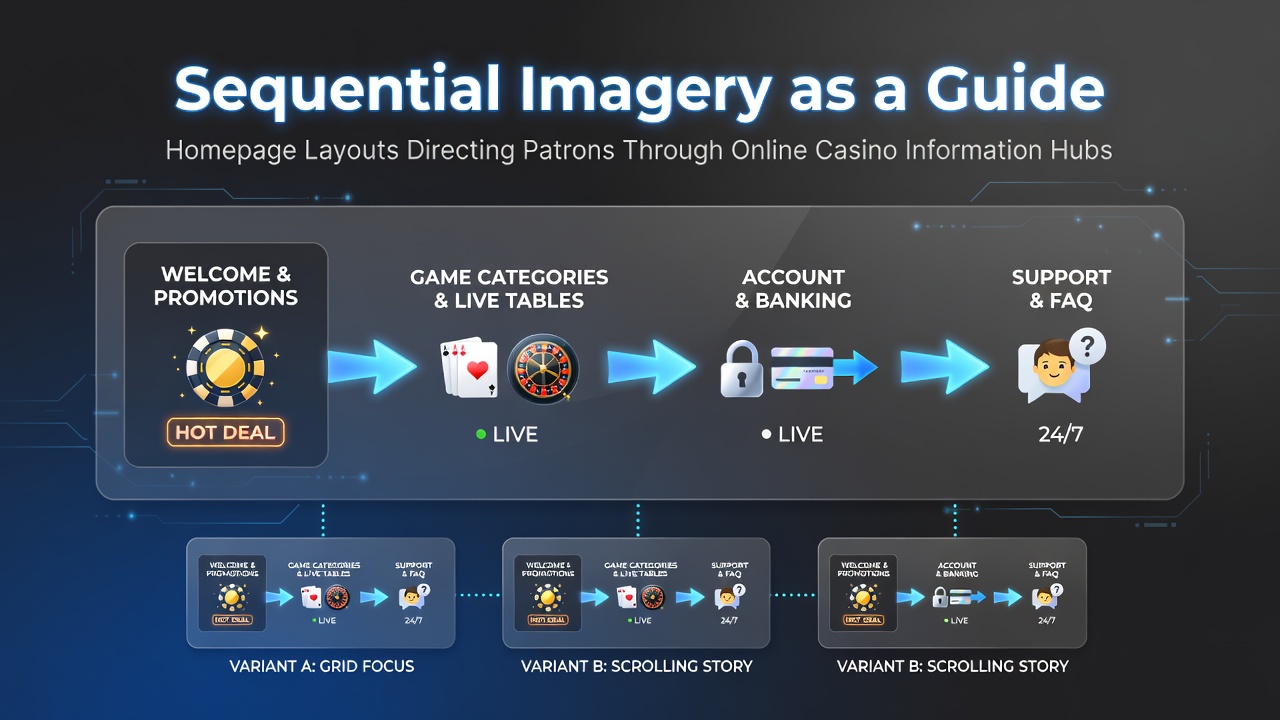
Sequential Imagery as a Guide: Homepage Layouts Directing Patrons Through Online Casino Information Hubs
Homepage layouts in online casino information hubs rely on sequential imagery to shape how patrons move from initial entry points into deeper layers of content, and this structure appears across multiple platforms that aggregate reviews, game databases, and regulatory updates. Researchers have documented how image sequences create visual pathways that align with typical user scanning patterns, starting with prominent hero sections and progressing toward categorized resource links. Data from industry analyses shows these sequences reduce bounce rates when they follow logical progressions tied to search intent rather than random placement.
Visual Pathways in Digital Casino Resource Centers
Sequential imagery functions as a navigation layer when homepage designs place related visuals in ordered rows or carousels that mirror the information architecture, and observers note this approach directs attention toward sections on game mechanics, bonus structures, and licensing details. Studies from academic institutions indicate that users who encounter consistent visual flows spend longer sessions exploring subpages, particularly when each image cluster connects directly to text summaries or filter tools. Platforms in North America and Europe have adopted this method to handle high volumes of traffic from mobile devices where screen space limits traditional menu systems.
Integration of Imagery with Content Categories
Design teams arrange sequential imagery to correspond with content categories such as slot mechanics, table game variants, and live dealer options, which allows patrons to follow visual cues into specific information hubs without relying solely on text menus. Evidence from usability reports reveals that these alignments improve click-through rates on resource pages when images include subtle indicators like progress bars or numbered overlays. One analysis of multiple casino guide sites found that layouts incorporating thematic image progressions correlated with higher engagement metrics in regions regulated by bodies like the Alcohol and Gaming Commission of Ontario.
Regulatory frameworks in various jurisdictions influence how these visual sequences incorporate compliance elements, such as responsible gaming prompts placed after initial game exploration visuals, and this placement ensures users encounter support resources at predictable points in their journey. Figures from the Australian Communications and Media Authority highlight increased emphasis on clear information pathways in licensed online environments, prompting operators to refine homepage sequencing accordingly.
Technical Implementation Across Platforms
Developers employ responsive design techniques so sequential imagery adapts across devices while preserving the intended order of visual cues, and this consistency matters because patrons often switch between desktop and mobile sessions mid-exploration. Industry reports indicate that platforms using modular image blocks tied to backend content management systems experience fewer instances of broken navigation paths. Those who maintain these hubs frequently test image loading sequences against user flow data to confirm that each visual step leads toward intended destinations like regulatory update archives or comparison tools.
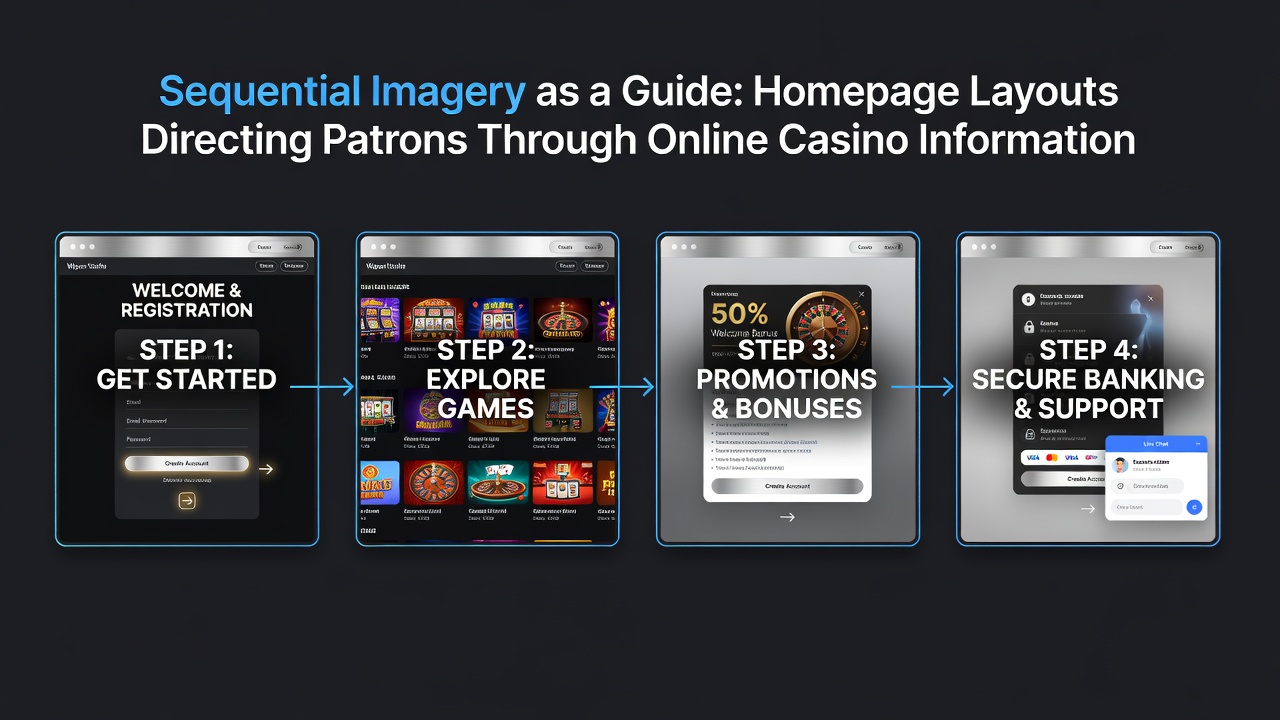
Analytics platforms track how far users advance through image-guided sequences before selecting a resource link, and the resulting datasets help refine future layout adjustments. Research published by European gaming associations demonstrates that sites applying progressive disclosure through imagery see measurable improvements in time spent on informational content compared with static homepage designs. This pattern holds across markets where operators must balance promotional visuals with educational sequences that cover payout structures and verification processes.
Case Examples from Established Hubs
Multiple online casino resource centers have published case studies documenting shifts toward imagery-led navigation, and these accounts describe how initial hero images now transition into categorized galleries that link directly to licensing databases. Observers tracking these changes note that the approach aligns with broader trends in digital publishing where visual storytelling supports information density without overwhelming text layouts. Platforms operating under oversight from the Nevada Gaming Control Board have incorporated similar sequencing to present state-specific compliance information at appropriate stages in the user path.
September 2026 marks a period when several platforms plan updates to their homepage sequences in response to evolving accessibility standards, and preliminary documentation suggests these revisions will emphasize clearer visual transitions for users navigating from promotional content into regulatory and game information sections. Such adjustments reflect ongoing efforts to maintain compliance while preserving the directional function of sequential imagery.
Conclusion
Sequential imagery continues to serve as an effective mechanism for directing patrons through the layered content found in online casino information hubs, with homepage layouts providing the structural backbone that connects visual cues to detailed resources. Data from regulatory and academic sources confirms that ordered image progressions support navigation efficiency when integrated with existing content categories and compliance requirements. As platforms refine these approaches, the focus remains on measurable user pathways rather than isolated design elements.